All Categories
Featured
Table of Contents
- – Checking Out the Differed Landscape of Commerc...
- – Common Commercial Roofing Products
- – Material Upkeep Considerations
- – Identifying Early Signs of Wear
- – Regular Inspection Techniques
- – Cleaning and Debris Elimination
- – Preventative Repairs
- – Professional Tips Summary
- – Acknowledging Early Indications of Roofing Sys...
- – When Subtle Modifications Spiral
- – Expert Tips to Area Hidden Deterioration
- – Advantages of Routine Roofing Examinations
- – Expert Tips for Effective Roofing System Insp...
- – Unforeseen Advantages Beyond Damage Avoidance
- – Lutherville Timonium MD Commercial Roof Upkeep...
Checking Out the Differed Landscape of Commercial Roof Products
When it comes to business roofing system maintenance, understanding the kinds of roofing materials isn't just trivia-- it's the foundation of effective care. Have you ever wondered why some roofings last years while others fail after a couple of storms? The choice of material plays a starring role.
Consider the traditional tale of a storage facility owner who disregarded the subtle indications of wear on a metal roofing system. The initial cost was low, but deterioration crept in quietly, proving that upkeep techniques should adapt to material quirks.
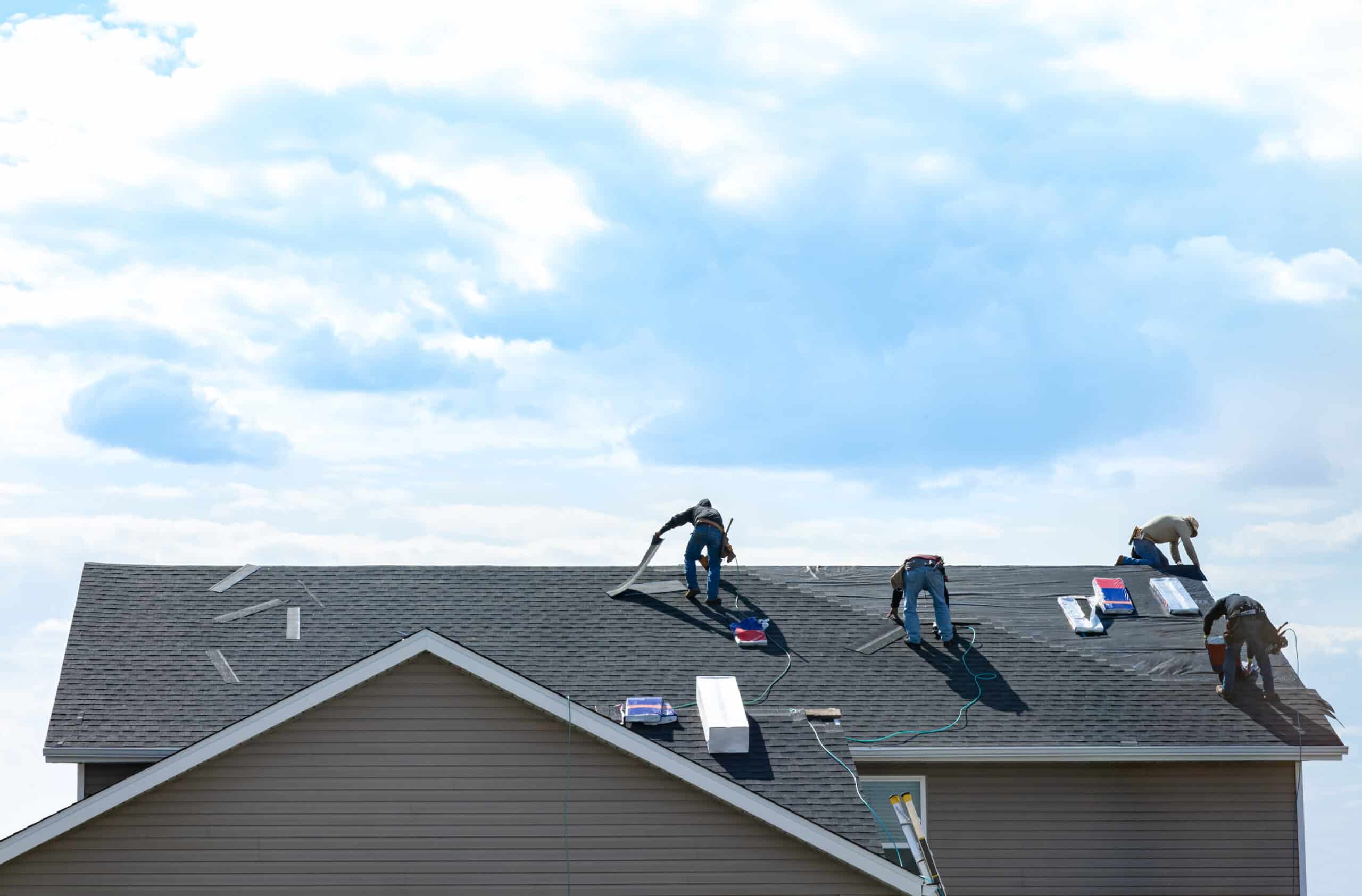
Common Commercial Roofing Products
- EPDM (Ethylene Propylene Diene Monomer): Known for its rubbery versatility and resilience, EPDM resists UV rays and ozone. It's a favorite for flat or low-slope roofing systems.
- Metal Roof: Frequently crafted from steel or aluminum, metal roofing systems provide toughness and excellent reflectivity however need vigilance versus rust and fastener failures.
- Thermoplastic (TPO & & PVC): These single-ply membranes are treasured for their heat-welded seams, offering robust waterproofing. They can be delicate to leaks, however.
- Built-Up Roof (BUR): Layer upon layer creates a protective guard. BUR is heavy but trustworthy, particularly when maintained against blistering and splitting.
- Modified Bitumen: This asphalt-based product mixes versatility and strength, often installed with torch-down or cold-adhesive methods.
Material Upkeep Considerations
| Material | Common Concerns | Upkeep Focus |
|---|---|---|
| EPDM | Joint separation, pierces | Routine joint evaluations, timely patching |
| Metal | Deterioration, loose fasteners | Rust treatment, tightening up screws |
| TPO/PVC | Punctures, seam failures | Sealant renewal, surface area cleaning |
| BUR | Blistering, breaking | Area repair work, debris elimination |
| Modified Bitumen | Dividing, peeling | Adhesive checks, surface area sealing |
Isn't it remarkable how a single option can ripple through years of roofing maintenance!.?.!? Like a well-tuned instrument, the roofing system's material demands a matching cadence of care. Next time you glimpse up, ask yourself: what story does that roofing system inform?
Identifying Early Signs of Wear
Have you ever climbed up onto an industrial roofing system only to discover mysterious puddles or broken membranes? It's like finding an unwelcome secret whispered by the structure itself. Small cracks, blistering, or loose joints frequently foreshadow bigger concerns. Ignoring these early warnings is comparable to walking a tightrope without an internet-- one slip, and the effects ripple through the entire structure.
Regular Inspection Techniques
Visual inspections remain the foundation of effective roofing maintenance. Do not just glance; lean in. A flashlight becomes your buddy in shadowed corners, revealing hidden damage. Utilize a wetness meter to find trapped water beneath layers that your eyes can't see. This covert moisture can speed up wear and tear silently, like a sluggish leak in a dam.
- Analyze flashing around vents and skylights for spaces or corrosion.
- Inspect for loose or missing fasteners that compromise membrane stability.
- Try to find sediment build-up in drains pipes, which can activate ponding water problems.
Cleaning and Debris Elimination
Does your roofing system look like an overlooked garden after a storm? Leaves, dirt, and particles don't simply look messy-- they invite water to pool and membranes to degrade too soon. Power washing might appear tempting however can harm fragile surfaces. Rather, opt for gentle sweeping paired with targeted hand-cleaning. Remember, the objective is to promote longevity, not speed up wear.
Preventative Repairs
Quick patch tasks on tears and leaks can conserve thousands in future repair costs. Usage compatible sealants that bend with temperature level changes-- rigid fillers often split under tension. Applying a reflective covering can minimize thermal expansion and contraction cycles, extending the roofing's life expectancy. Why await a leak when proactive steps can keep the building dry and sound?
Professional Tips Summary
| Technique | Specialist Tip |
|---|---|
| Visual Examination | Utilize a wetness meter to identify unseen water intrusion. |
| Debris Elimination | Avoid high-pressure washing; go with soft bristles and manual clearing. |
| Flashings Check | Check annual, especially after extreme weather, to avoid seepage. |
| Sealant Application | Choose flexible, UV-resistant products to accommodate roofing system motion. |
Acknowledging Early Indications of Roofing System Damage
Flat Roof Replacement Lutherville Timonium MDFlat Roof Repair Services In Lutherville Timonium MD
Flat Roof Replacement In Lutherville Timonium MD
Flat Roof Repair Services In Lutherville Timonium MD
Flat Roof Replacement In Lutherville Timonium MD
How often do you actually check the industrial roofing system that shields your company? It's simple to overlook the subtle whispers of wear till they roar into expensive repair work. Take the curious case of a warehouse supervisor who ignored a tiny blister in the membrane-- by the rainy season, it transformed into a cavernous leakage. Small flaws like these are the roofing system's method of signaling distress.
Search for these telltale signs throughout your regular checks:
- Granule loss on shingles or membrane surface areas, revealing underlying layers.
- Curled or broken roofing materials, akin to dried leaves in fall.
- Pooling water or ponding that declines to drain pipes after rains.
- Visible seams pulling apart or bubbling, often a caution of compromised waterproofing.
- Dark streaks or spots, which might hint at fungal or mold growth growing in wetness pockets.
When Subtle Modifications Spiral
Have you discovered small dips or drooping in your roofline? This can be the harbinger of jeopardized structural stability-- frequently unnoticeable from the ground but unmistakable up close. A quick suggestion: gently press on suspect areas with a non-invasive tool; spongy reactions suggest trapped wetness has likely degraded the substrate underneath.
Lutherville-Timonium, Maryland, is a community located in Baltimore County with coordinates approximately 39.4387° N latitude and 76.6000° W longitude. It covers an region of around 7.2 square miles and is part of the Baltimore metropolitan area. As of the 2020 census, the population of Lutherville-Timonium was roughly 15,500 residents, with a population density close to 2,150 people per square mile. The community is predominantly residential, characterized by suburban neighborhoods with a mix of single-family homes, townhouses, and apartments. Demographically, the population is primarily White (approximately 85%), with African American residents making up about 8%, Asian residents around 3%, and other racial groups comprising the remainder. The median household income is estimated at $87,000, with a median home value near $350,000, reflecting the area's middle to upper-middle-class economic status. The age distribution shows a balanced mix, with a median age of 42 years, indicating a family-friendly environment with both young families and older adults. Points of interest in Lutherville-Timonium include the Maryland State Fairgrounds, which hosts the annual Maryland State Fair, a significant cultural and community event attracting visitors statewide. The area is also home to the Oregon Ridge Park, a 1,000-acre natural park featuring hiking trails, a nature center, and seasonal events. The Lutherville Historic District offers preserved 19th-century architecture, reflecting the area's historical roots dating back to its founding in the 1850s as a Methodist camp meeting site. Transportation access is facilitated by major routes such as Interstate 83 and York Road (MD Route 45), providing connectivity to Baltimore city and northern suburbs. Public transit options include bus services operated by the Maryland Transit Administration. The local economy benefits from retail centers like Timonium Shopping Center and a variety of dining and service businesses. Educational institutions include several public schools within the Baltimore County Public Schools system, serving the community’s youth. Overall, Lutherville-Timonium is a well-established suburban community combining historic charm, recreational amenities, and convenient access to urban centers.
Expert Tips to Area Hidden Deterioration
- Use field glasses to scan for unequal staining or missing components across huge roofing systems.
- Examine flashing around heating and cooling units, vents, and skylights for fractures or gaps.
- Screen attic spaces or ceiling tiles inside for unforeseen water discolorations-- often the silent caller of roof leaks.
- Think about thermal imaging scans during colder months to spot moisture build-up invisible to the naked eye.
| Sign of Damage | Possible Cause | Immediate Action |
|---|---|---|
| Blistering or Bubbles | Caught wetness or trapped air below membrane | Careful leak and drying; patch membrane |
| Loose or Missing Out On Fasteners | Thermal growth or mechanical failure | Re-secure or replace fasteners quickly |
| Rust Stains | Deterioration of metal elements | Inspect and replace corroded parts; apply protective finishings |
Advantages of Routine Roofing Examinations
Ever discovered how a subtle leak can become an open wound in your commercial roof!.?. !? It's like a peaceful whisper becoming a roar-- one missed out on fracture, and all of a sudden, the entire structure's stability is under siege. Routine roof examinations do not simply identify these early signs; they serve as an alert guard versus costly surprises.
Think of the roofing system as the first line of defense defending against nature's unpredictability. Without regular checks, small problems such as ponding water or loose flashing can escalate into structural damage or mold infestations. The question is: how often is typically sufficient? For the majority of industrial structures, biannual inspections-- ideally before and after winter-- strike the ideal balance.
Expert Tips for Effective Roofing System Inspections
Flat Roof Specialists In My Area Lutherville Timonium MDFlat Roof Replacements In Lutherville Timonium MD
Flat Roof And Gutters In Lutherville Timonium MD
Flat Roof Replacements In Lutherville Timonium MD
Residential Flat Roof Repair In Lutherville Timonium MD
- Thermal Imaging: Use infrared electronic cameras to detect wetness caught below membranes, undetectable to the naked eye.
- Look for granule loss on shingles-- this subtle disintegration frequently signals the beginning of deterioration.
- Inspect joints and joints with a flashlight; shadows may expose spaces or weak points.
- Document every problem in detail; a picture log with time exposes patterns and prospective failure points.

Unforeseen Advantages Beyond Damage Avoidance
Routine assessments do more than avoid leakages. They can enhance energy efficiency by identifying insulation compression or ventilation obstructions that spike energy expenses. And here's a nugget numerous ignore: well-kept roofing systems extend the life expectancy of roof devices by providing steady assistance and decreasing vibration.
| Advantage | Effect |
|---|---|
| Early Detection | Avoids minor concerns from snowballing into pricey repairs |
| Energy Effectiveness | Lowers heating & cooling expenses by maintaining insulation stability |
| Safety | Protects employees and occupants by recognizing dangers before they intensify |
| Possession Longevity | Extends roofing system life, postponing complete replacement |
When was the last time someone climbed up to inspect your roofing from the within out? Do not let your industrial property's crown jewel end up being a ticking time bomb. The subtle signs exist-- if you know where to look.
- Review of CRG Roofing and Siding in Lutherville Timonium MD by Matt Mahony: Chesapeake Remodeling Group replaced out roof in Feb. 2024. They were incredibly professional, communicative, and easy to work with. They’re great - we would definitely recommend them.
- Review of CRG Roofing and Siding in Lutherville Timonium MD by Jessica Brown: I could not have been more impressed with Anton Washington’s work. He was early, receptive to my concerns, and genuine in his communication with my husband and I. I never felt like we were being taken advantage of throughout the entire process. Highly recommend. "
- Review of CRG Roofing and Siding in Lutherville Timonium MD by Gwen Templeman "
Lutherville Timonium MD Commercial Roof Upkeep Fundamentals
Proper care of industrial roofing systems ensures longevity and prevents expensive repairs. Routine examinations and timely upkeep address minor problems before they escalate. Carrying out an upkeep plan customized to the specific roofing products and regional environment conditions can considerably enhance roofing system performance. Attention to drain systems and prompt repairs of leaks or damage are vital components of effective roof care.
CRG Roofing and Siding offers expert assistance and thorough assessments to assist you maintain your commercial roofing - Lutherville Timonium MD Flat Roof Repair. They motivate you to connect for a free assessment and advice on industrial roof upkeep to keep your building protected and effective

Table of Contents
- – Checking Out the Differed Landscape of Commerc...
- – Common Commercial Roofing Products
- – Material Upkeep Considerations
- – Identifying Early Signs of Wear
- – Regular Inspection Techniques
- – Cleaning and Debris Elimination
- – Preventative Repairs
- – Professional Tips Summary
- – Acknowledging Early Indications of Roofing Sys...
- – When Subtle Modifications Spiral
- – Expert Tips to Area Hidden Deterioration
- – Advantages of Routine Roofing Examinations
- – Expert Tips for Effective Roofing System Insp...
- – Unforeseen Advantages Beyond Damage Avoidance
- – Lutherville Timonium MD Commercial Roof Upkeep...
Latest Posts
Roofs Repair in West Friendship MD: Routine Maintenance Of Service Roof Guarantees Durability And Avoids Expensive Repair Works
New Roof in Essex MD: Specialist Roof Specialists Ensure Your Home Remains Safe And Weatherproof
Damaged Flat Roof Replacement Services in Woodbine MD: Professional Solutions For Repairing And Restoring Broken Roofs
More
Latest Posts
Roofs Repair in West Friendship MD: Routine Maintenance Of Service Roof Guarantees Durability And Avoids Expensive Repair Works
New Roof in Essex MD: Specialist Roof Specialists Ensure Your Home Remains Safe And Weatherproof
Damaged Flat Roof Replacement Services in Woodbine MD: Professional Solutions For Repairing And Restoring Broken Roofs